Understanding CBD Wellness: A Beginner’s Guide to Hemp-Derived Products
Understanding CBD Wellness: A Beginner’s Guide to Hemp-Derived Products
CBD has become one of the most widely discussed topics in the modern wellness industry. From oils and gummies to capsules, topicals, and other hemp-derived products, CBD has gained attention among consumers looking to better understand plant-based wellness options.
However, with the growth of CBD products has also come a large amount of information, advertising, and sometimes confusion.
Understanding what CBD is, how hemp-derived products are made, what labels mean, and what factors to consider when comparing products can help consumers make more informed decisions.
At Bliss Harmony CBD, our goal is to provide clear educational information about CBD, hemp, ingredients, and wellness topics without relying on exaggerated claims or unrealistic promises.
What Is CBD?
CBD stands for cannabidiol, a naturally occurring compound found in the hemp plant.
CBD is one of many compounds known as cannabinoids that naturally occur in cannabis plants. Unlike THC, another well-known cannabinoid, CBD does not produce the same type of intoxicating effects commonly associated with THC.
CBD has become a popular topic in wellness discussions because researchers and consumers continue to explore how cannabinoids interact with the body.
While interest in CBD continues to grow, scientific research is still developing, and individual experiences can vary.
Understanding Hemp-Derived Products
Hemp-derived products are made from hemp plants that contain cannabinoids and other naturally occurring compounds.
CBD products may include:
- Oils
- Gummies
- Capsules
- Softgels
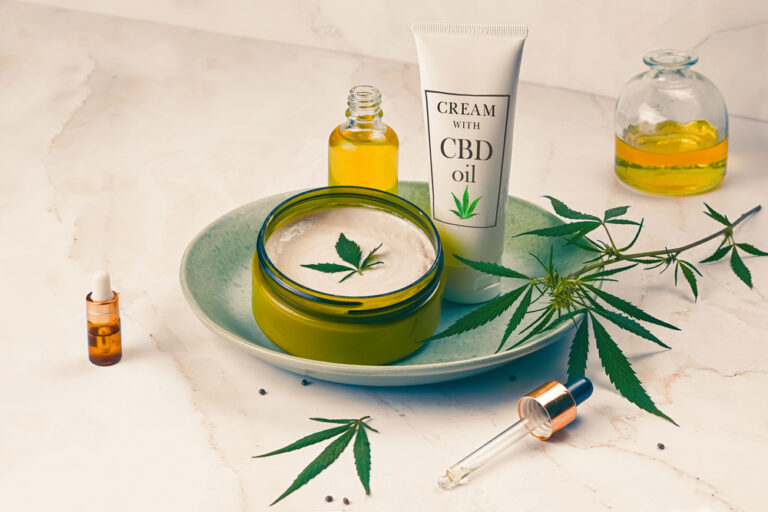
- Creams and lotions
- Balms
- Other wellness formulations
Each product type may be designed differently, with different ingredients, concentrations, serving sizes, and intended uses.
Understanding these differences is important because two products labeled as “CBD” may have very different formulas.
How CBD Became Part of Modern Wellness
Interest in CBD has grown alongside broader conversations about natural wellness, plant-based ingredients, and personal health routines.
Many consumers are interested in CBD as part of a lifestyle that includes:
- Healthy routines
- Relaxation practices
- Balanced nutrition
- Mindfulness
- Self-care habits
The wellness industry has expanded rapidly, creating many new products and brands.
Because of this growth, consumers benefit from learning how to evaluate information carefully instead of relying only on marketing messages.
Common Types of CBD Products
CBD products are available in many forms.
The best choice for an individual depends on personal preferences, product information, and individual circumstances.
CBD Oils
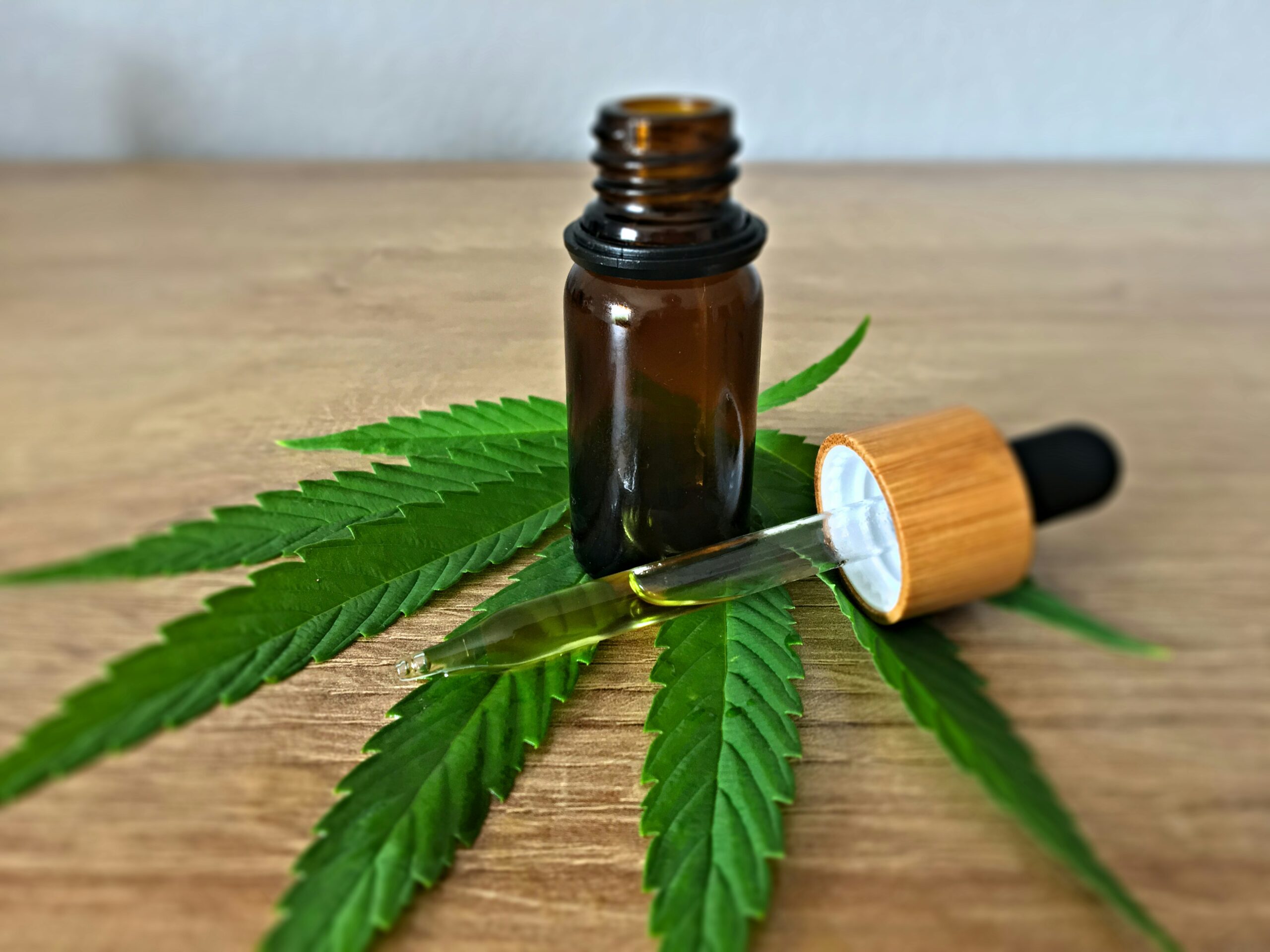
CBD oils are among the most recognizable CBD products.
They typically contain CBD extract combined with a carrier oil.
Common carrier oils may include:
- MCT oil
- Hemp seed oil
- Other plant-based oils
When reviewing a CBD oil, consumers may want to look at:
- CBD amount per serving
- Total bottle concentration
- Ingredients
- Testing information
- Manufacturer transparency
CBD Gummies
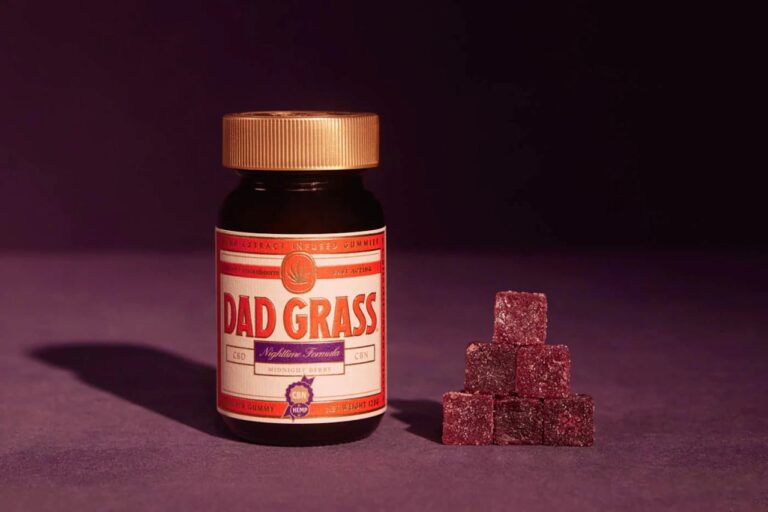
CBD gummies are popular because they are convenient and easy to incorporate into daily routines.
Important label information includes:
- CBD amount per serving
- Number of gummies per container
- Additional ingredients
- Sweeteners
- Flavoring ingredients
- Serving recommendations
Consumers should remember that gummies may contain ingredients beyond CBD, so reviewing the complete label is important.
CBD Capsules
CBD capsules provide another option for consumers who prefer a measured format.
Important considerations include:
- CBD amount per capsule
- Serving size
- Additional ingredients
- Product testing information
Capsules may appeal to people who prefer a simple and consistent format.
CBD Topicals
CBD topicals include products applied externally, such as:
- Creams
- Balms
- Lotions
- Other skincare-style products
These products often contain additional ingredients such as botanical extracts, moisturizers, fragrances, or other compounds.
Reading the full ingredient list can help consumers understand what they are purchasing.
Understanding CBD Labels
One of the most important skills for CBD consumers is learning how to read product labels.
A CBD label may include:
- Total CBD amount
- Serving size
- Ingredient list
- Product type
- Cannabinoid information
- Manufacturer details
- Testing information
The front of a package often focuses on branding and marketing.
The product label provides more useful details.
What Are Cannabinoids?
Cannabinoids are naturally occurring compounds found in cannabis and hemp plants.
CBD is one cannabinoid, but it is not the only one.
Other cannabinoids commonly discussed include:
- THC
- CBG
- CBN
- CBC
Different cannabinoids may have different properties and research histories.
Scientists continue to study how cannabinoids interact with the body and how different formulations may influence their effects.
Full-Spectrum, Broad-Spectrum, and CBD Isolate
CBD products are often described using terms such as full-spectrum, broad-spectrum, or isolate.
Understanding these terms can help consumers compare products.
Full-Spectrum CBD
Full-spectrum products generally contain CBD along with other naturally occurring hemp compounds.
Depending on the product and regulations, trace amounts of other cannabinoids may also be present.
Broad-Spectrum CBD
Broad-spectrum products generally contain multiple hemp compounds while being formulated to remove or greatly reduce THC.
However, formulations can differ between manufacturers.
CBD Isolate
CBD isolate refers to a more purified form of CBD.
These products are designed to contain CBD without other cannabinoids.
Why Product Transparency Matters
The growing CBD market includes many different companies and formulations.
Transparency can help consumers better understand what they are purchasing.
Important signs of transparency may include:
- Clear ingredient lists
- Detailed product information
- Batch information
- Testing documentation
- Accessible customer support
- Responsible labeling
A trustworthy product should make it easier for consumers to understand what is inside the package.
Ingredients Commonly Found in CBD Products
CBD products may contain many ingredients beyond CBD itself.
Examples include:
Carrier Oils
Used to help create product formulations.
Examples may include:
- MCT oil
- Hemp seed oil
Flavoring Ingredients
Common in products such as gummies and flavored oils.
Botanical Ingredients
Some products include additional plant-based ingredients.
Skin Care Ingredients
Topical CBD products may include ingredients commonly found in lotions, creams, or balms.
Consumers should always review ingredient lists, especially if they have allergies, sensitivities, or specific preferences.
CBD and Everyday Wellness Routines
Many people explore CBD as part of broader wellness routines.
Wellness routines often include:
- Regular sleep habits
- Balanced nutrition
- Physical activity
- Stress management
- Relaxation practices
- Mindfulness
CBD products are only one part of a larger lifestyle approach.
Maintaining realistic expectations is important because wellness is influenced by many different factors.
Choosing CBD Products Responsibly
When comparing CBD products, consider:
Read the Label
Look for:
- CBD amount
- Serving size
- Ingredients
- Product details
Research the Brand
Consider whether the company provides:
- Clear information
- Customer support
- Testing details
- Transparent practices
Compare Similar Products
Look beyond packaging.
Compare:
- CBD concentration
- Ingredients
- Product format
- Price per serving
- Testing information
Avoid Exaggerated Claims
Be cautious of products making unrealistic promises.
Responsible wellness information should focus on education rather than guarantees.
Questions to Consider Before Buying CBD
Before choosing a CBD product, consider:
What type of product am I looking for?
Oil, gummies, capsules, and topicals all have different formats.
What information does the label provide?
Look for clear ingredient and serving information.
Does the company provide transparency?
Consider whether product details are easy to find.
Does the product fit my personal situation?
Individual needs and circumstances differ.
People with medical conditions, medication questions, or specific health concerns should consult an appropriate healthcare professional.
The Importance of Balanced Information
CBD discussions often exist between two extremes.
Some sources present CBD as a solution for nearly everything.
Others dismiss the topic completely.
A balanced approach recognizes that:
- Research is continuing
- Individual experiences vary
- Product quality differs
- More evidence is still developing
Good information helps consumers ask better questions and make thoughtful decisions.
Understanding CBD Research
Scientists continue studying CBD and cannabinoids.
Research areas include:
- How cannabinoids interact with biological systems
- Different product formulations
- Potential applications
- Safety considerations
- Long-term questions
Scientific understanding changes as new evidence becomes available.
Responsible education should acknowledge both current knowledge and remaining questions.
CBD and Personal Considerations
CBD products may not be appropriate for everyone.
People should consider speaking with a healthcare professional if they:
- Take medications
- Are pregnant or nursing
- Have existing health conditions
- Have questions about potential interactions
Personal circumstances matter, and general information cannot replace individualized medical guidance.
Final Thoughts
CBD has become an important topic in modern wellness conversations.
Understanding CBD starts with learning the basics:
- What CBD is
- How hemp-derived products differ
- How to read labels
- Why ingredients matter
- Why transparency matters
As the CBD industry continues to grow, informed consumers are better equipped to evaluate products and make decisions based on reliable information rather than marketing alone.
At Bliss Harmony CBD, our goal is to provide clear, balanced, and educational resources that help readers better understand CBD, hemp, and wellness topics.
— Felix Robinson